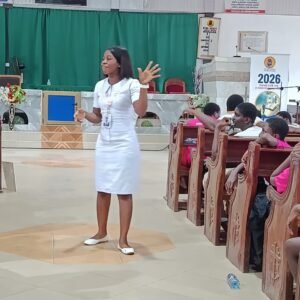
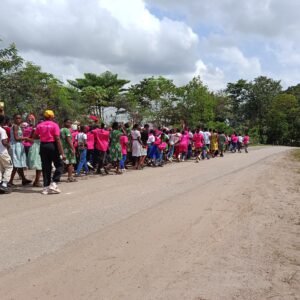
Golden Tree Foundation Marks 2026 International Day of the Girl Child with Outreach to Six Schools
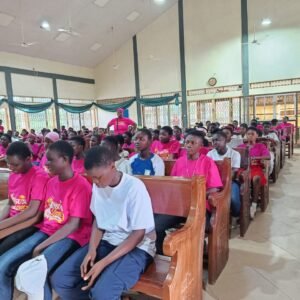
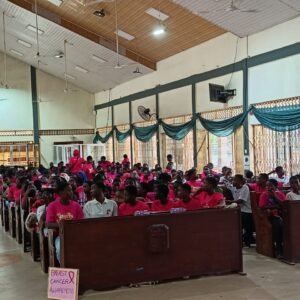
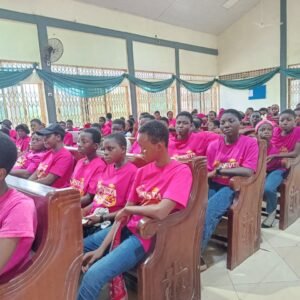
The Golden Tree Foundation, a Ghanaian non-governmental organisation (NGO) committed to empowering individuals, particularly women and girls, through advocacy, education, and community support, has commemorated the 2026 International Day of the Girl Child with a series of engagements in six schools across two districts in the Western Region.
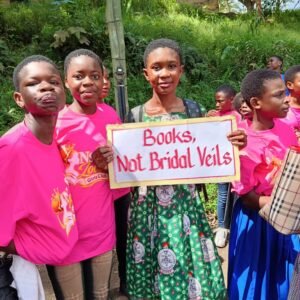
The activities, held on October 11, 22, and 28, 2026, were organised under the global theme, “End Child Marriage and Invest in Girls’ Rights,” with the local campaign theme, “Invest in Girls’ Rights.”
The outreach covered schools in the Essikadu-Ketan Sub-Metropolitan District under the Sekondi-Takoradi Metropolitan Assembly and the Tarkwa-Nsuaem Municipality, forming part of the Foundation’s efforts to promote the rights, welfare, education, and empowerment of the girl child.
The six schools reached were Nsuta Dadwen School Complex, Nsuta Methodist School, Nsuta Municipal Assembly School, St. Mary’s Catholic Junior High School in Nsuta, Essikadu Catholic Mixed School, and Nana Nketsia Junior School in Essikadu.
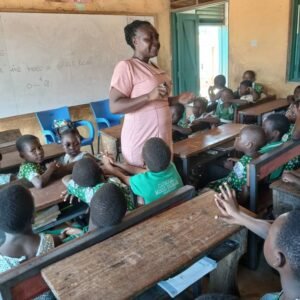
Addressing the girls during the engagements, Founder of the Golden Tree Foundation, Madam Gloria Addisu Hasford, encouraged them to develop ambitious aspirations and remain determined to achieve their dreams through discipline, focus, and hard work.
She urged the girls not to allow societal expectations, personal circumstances, or challenges to limit their ambitions, stressing that their future success would depend significantly on their commitment to education and personal development.
Madam Hasford’s message underscored the importance of investing in girls and creating an enabling environment in which they can develop their talents, pursue their aspirations, and contribute meaningfully to society.
Also speaking at the engagements, Madam Mawuena Atta, Chief Programme Officer of Golden Tree Foundation, cautioned the girls against engaging in premature sexual activities and relationships with boys and adult men, highlighting the associated risks of sexually transmitted infections (STIs) and teenage pregnancy.
She encouraged them to make informed decisions, protect their health, and prioritise their education and future ambitions.
Beyond the discussions on girls’ rights and reproductive health, the Foundation incorporated a breast cancer awareness and screening component into the commemoration.
The initiative extended breast cancer education and free screening services to students, teachers and a cross-section of community members, providing an opportunity to promote breast health awareness, encourage early detection, and reinforce the importance of preventive healthcare.
The Foundation expressed appreciation to the Girl Child Coordinators, Clara Ahenewa Amoaful and Evelyn Mintah, for their support in facilitating the engagements.
Special recognition was also extended to staff of Ghana Manganese Hospital for providing free breast cancer education and screening, as well as the Ghana Manganese Ladies for their valuable contribution to the initiative.
The International Day of the Girl Child is observed annually on October 11 to recognise the rights of girls, highlight the challenges they face, and mobilise support for their empowerment and development.
The annual observance also reinforces the importance of advancing the Sustainable Development Goals (SDGs), particularly those relating to gender equality, quality education, good health and well-being, and the elimination of harmful practices such as child marriage.
Through its October outreach, the Golden Tree Foundation has reaffirmed the need for sustained community-level interventions that protect girls from harmful practices, equip them with knowledge to make informed decisions, and expand opportunities for them to realise their full potential.
The Foundation’s engagements also serve as a reminder that investing in girls’ rights must go beyond annual commemorations and translate into continuous action by families, schools, communities, civil society organisations and government institutions.