Ngũgĩ wa Thiong’o, African literary icon and language activist, dies at 87
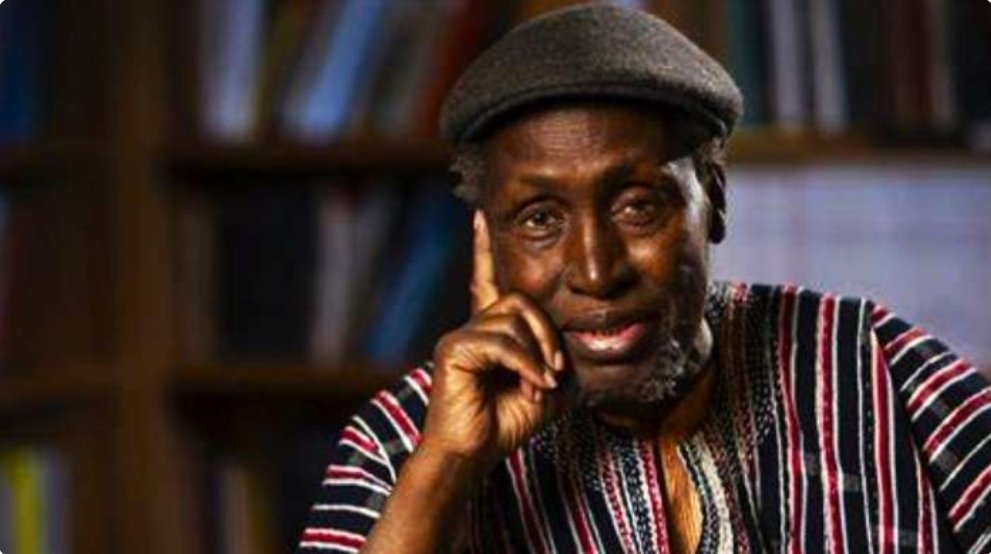
Ngũgĩ wa Thiong’o, one of Africa’s most influential writers, has died at the age of 87. For over six decades, he told stories that explored Kenya’s journey from colonialism to independence, becoming a symbol of resistance and cultural pride.
Born in 1938 in colonial Kenya as James Thiong’o Ngũgĩ, he later changed his name to Ngũgĩ wa Thiong’o to remove traces of colonial influence. His early life in Limuru was shaped by hardship. He attended the prestigious Alliance High School thanks to his parents’ sacrifices, but tragedy struck when he returned from school one term to find his village destroyed and his family detained during the British crackdown on the Mau Mau uprising. His brother Gitogo, who was deaf, was fatally shot by a British soldier for not obeying a command.
Ngũgĩ’s writing career took off in 1964 when his first novel Weep Not, Child was published. Nigerian author Chinua Achebe had helped him get it published after reading his manuscript at a writer’s conference. The book became the first major English-language novel by an East African.
He went on to write The River Between, A Grain of Wheat, and Petals of Blood, the latter sharply criticizing Kenya’s post-independence leadership. In 1977, he stopped writing in English, switching to Kikuyu, his mother tongue, as part of his belief in the power of African languages. That same year, he co-wrote the play Ngaahika Ndeenda (I Will Marry When I Want), which led to his arrest. He spent a year in prison without trial and wrote his novel Devil on the Cross on toilet paper.
Exiled after learning of an assassination plot, Ngũgĩ spent over 20 years abroad, teaching at top U.S. universities. Though welcomed home in 2004, his return was marred by a violent attack in which his wife was assaulted.
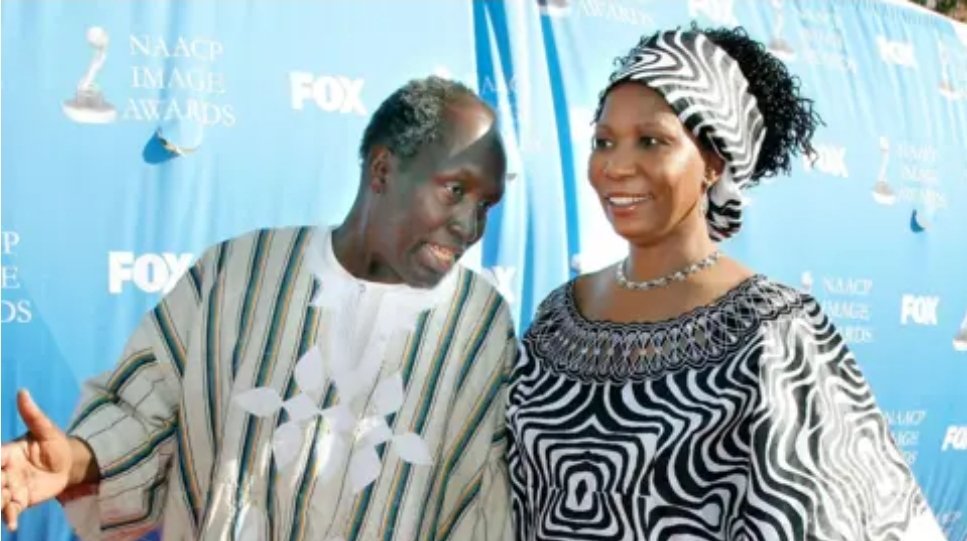
Ngũgĩ was known for fiercely defending African languages. “What is the difference between a politician who says Africa cannot do without imperialism and the writer who says Africa cannot do without European languages?” he once asked in Decolonising the Mind.
Despite personal controversies and health struggles, Ngũgĩ remained a towering figure. As Chimamanda Ngozi Adichie said, the world of African literature is “a little darker” without him.