Ghana Advances Youth Work Profession with National Dialogue to Shape Future of Youth Development
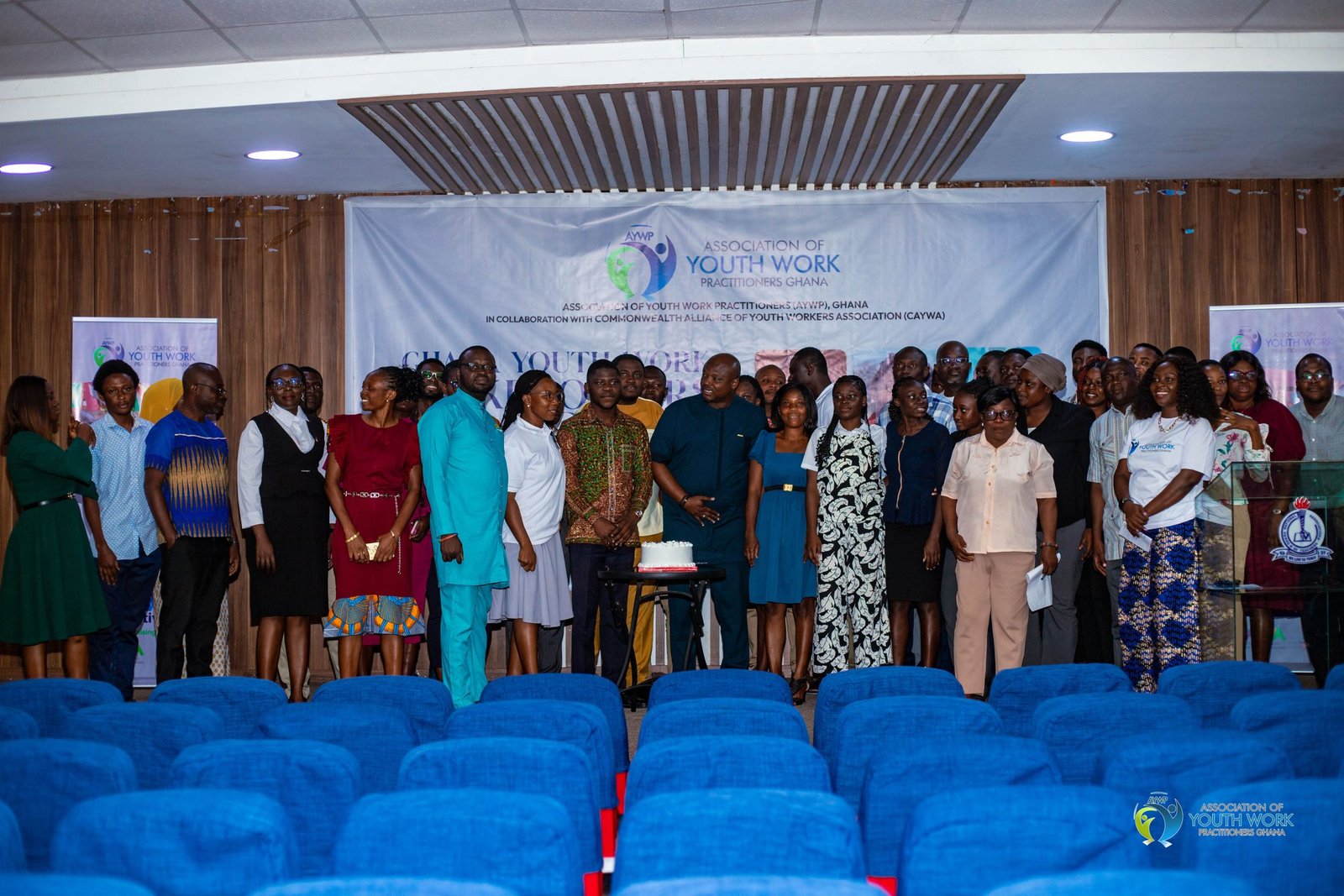
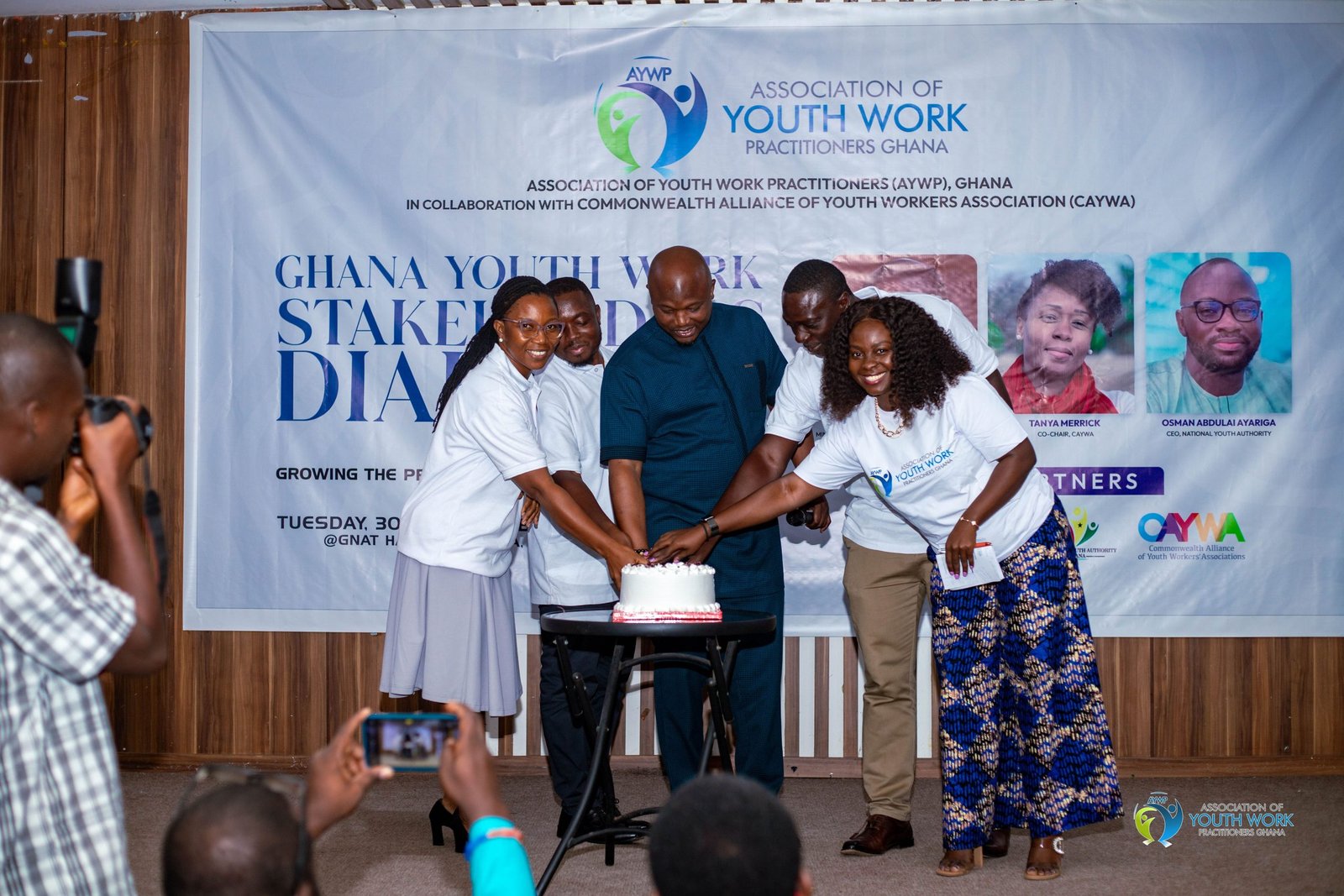
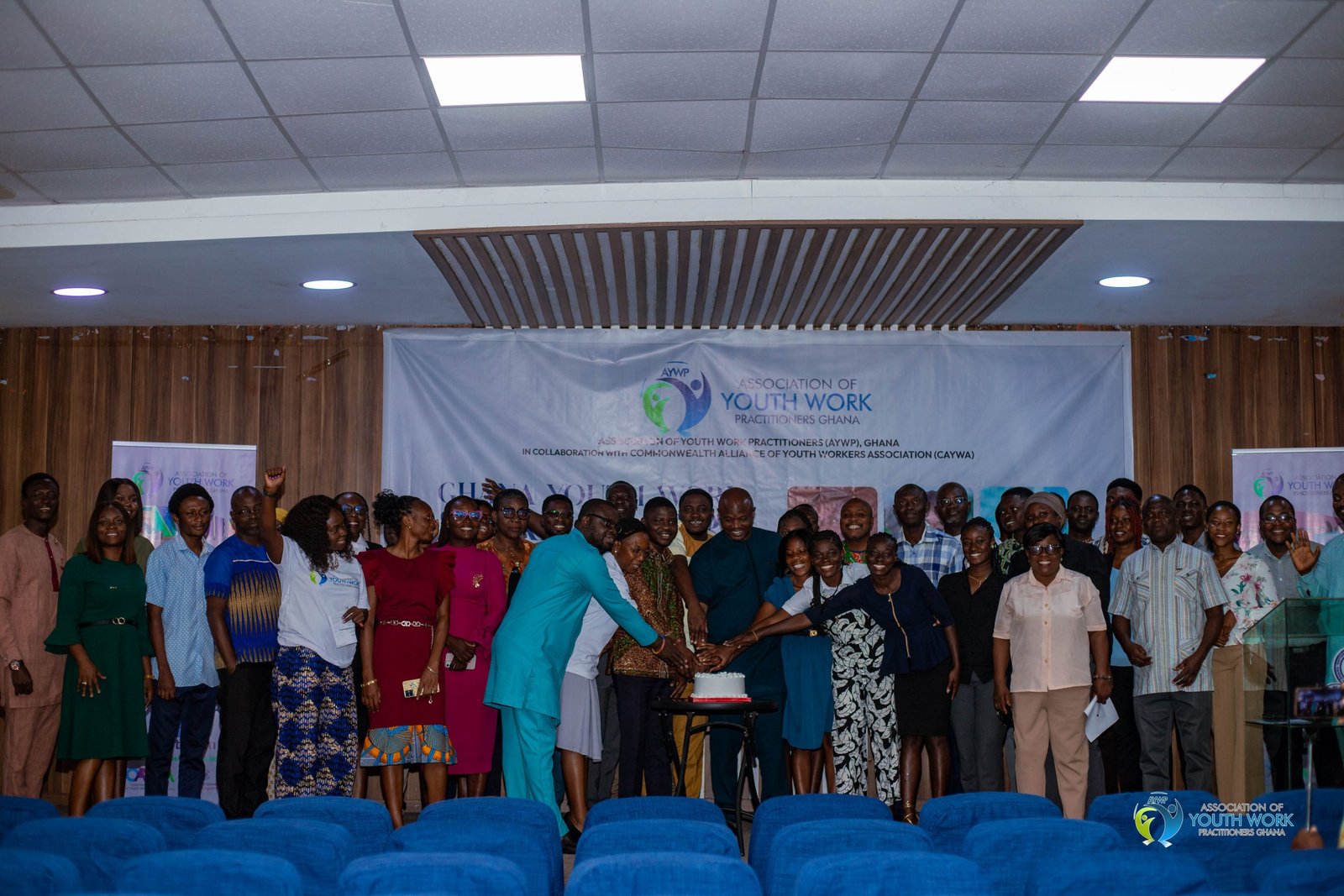
Ghana’s commitment to empowering young people took a significant step forward at the national dialogue on “Growing the Profession of Youth Work in Ghana,” organized by the Association of Youth Work Practitioners (AYWP) in partnership with the Ministry of Youth Development and Empowerment, the National Youth Authority (NYA), the Commonwealth Alliance of Youth Workers’ Associations (CAYWA), and the Commonwealth Youth Programme.
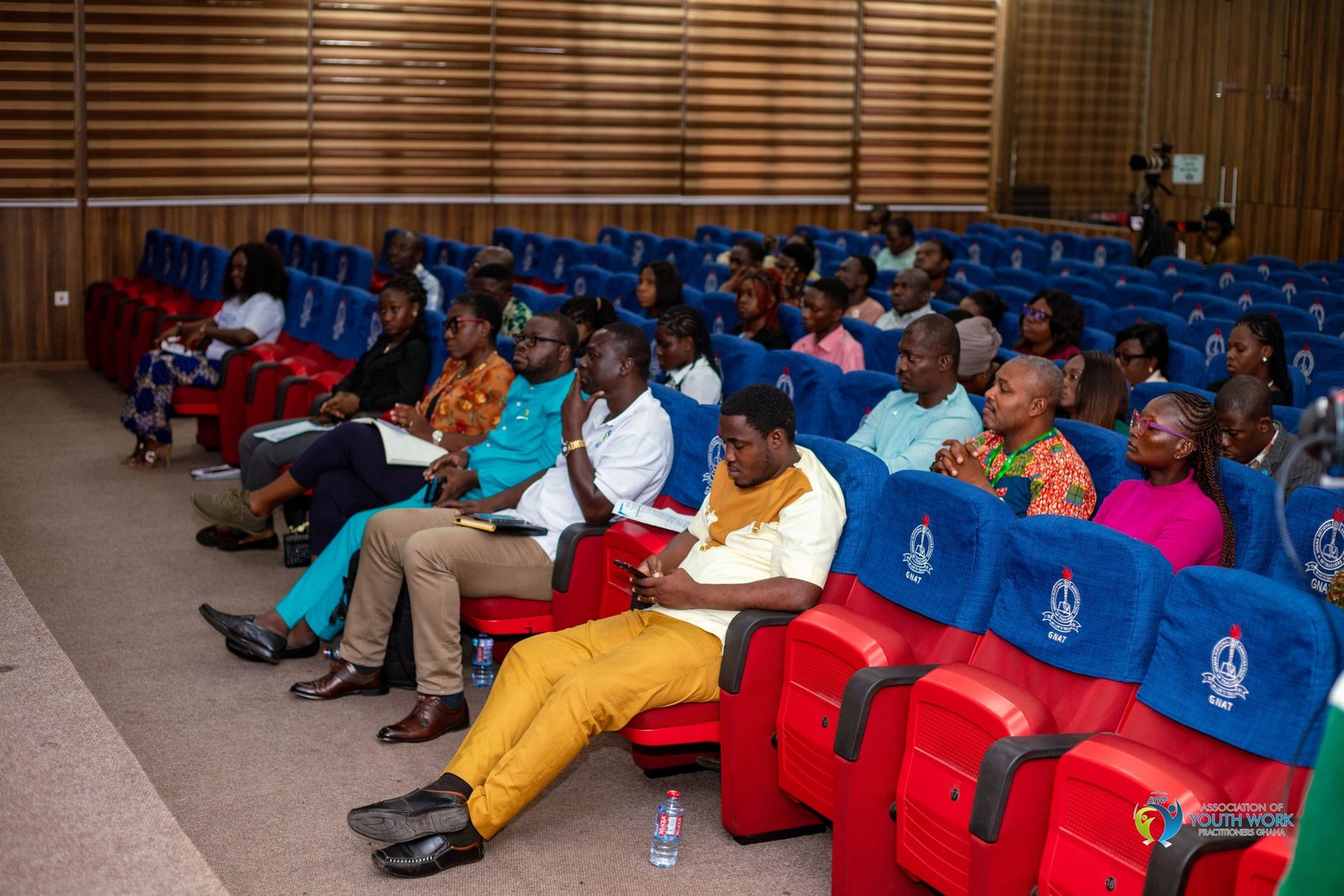
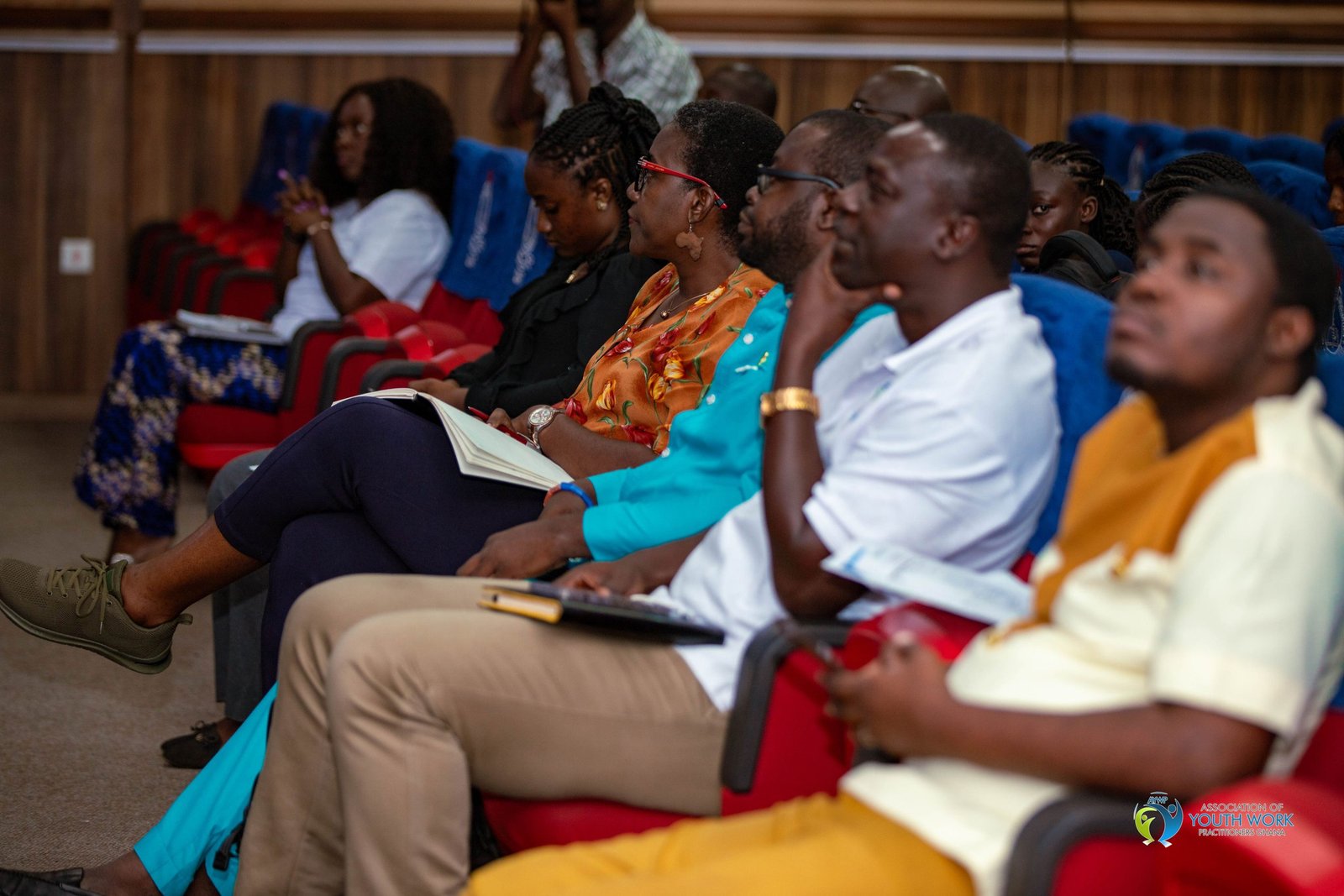
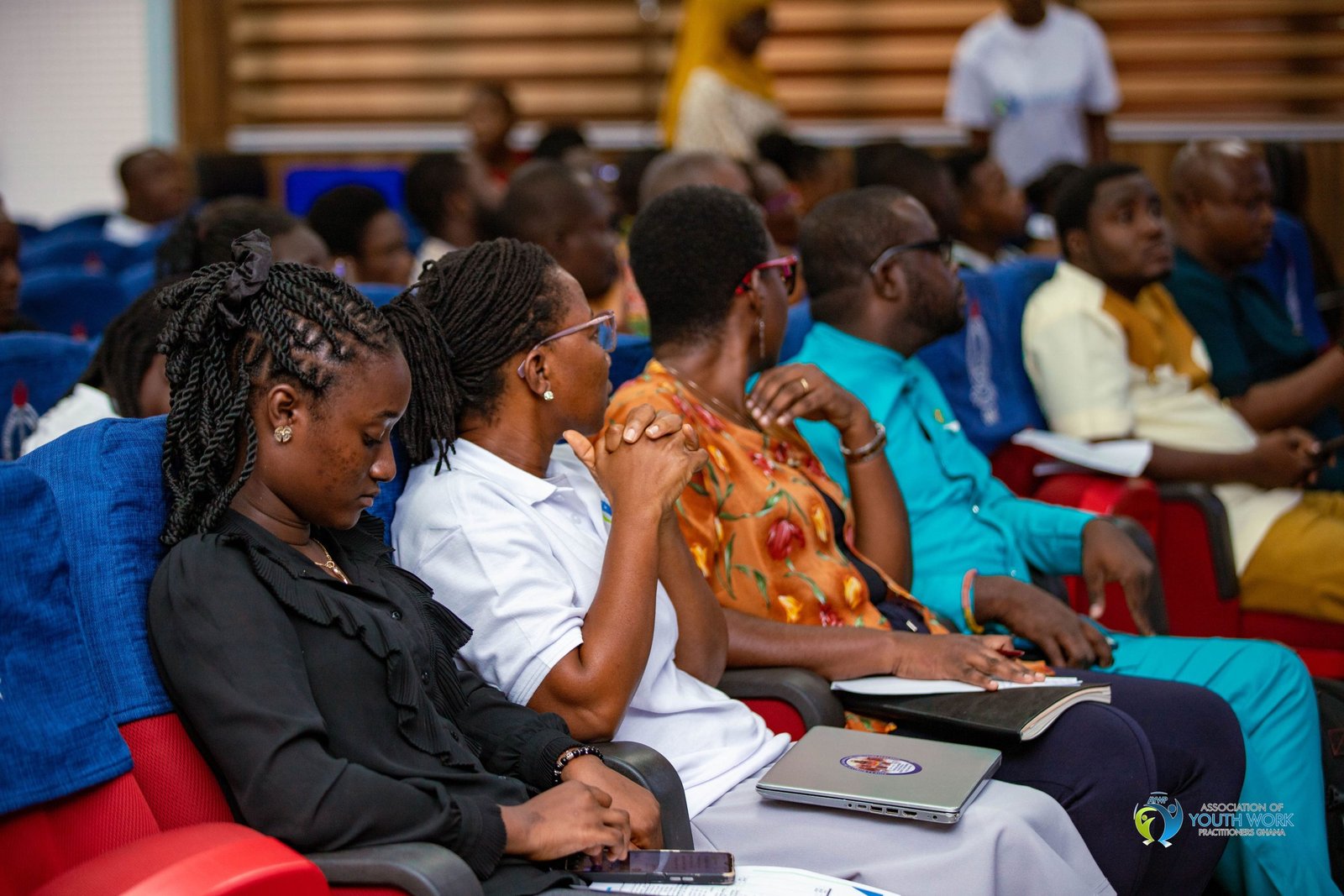
The event brought together youth workers, government officials, civil society actors, and international partners in Accra on Tuesday September 30, to deliberate on strategies to professionalize youth work—a vital but often undervalued sector crucial for fostering youth empowerment, social inclusion, and sustainable development across the country.
A Call to Recognize Youth Work as a Profession
Theodora Anti Williams, Co-Chair of AYWP, set the tone for the dialogue by emphasizing the urgent need to reposition youth work in Ghana.
She argued that youth work should not be regarded merely as volunteerism or a side activity but recognized as a specialized profession requiring formal training, ethical standards, and structured career pathways.
“Across Ghana, countless youth workers dedicate their lives to mentoring, educating, and supporting young people to realize their full potential,” Williams said.
“However, without proper recognition and support, their impact remains limited. Professionalizing youth work means equipping practitioners with the skills and resources they need to create meaningful, lasting change.”
She highlighted the unique role youth workers play in bridging the gap between young people and policy makers, translating national development goals into tangible community actions.
Williams called on government and partners to create enabling policies, funding mechanisms, and accreditation systems that elevate youth work to a respected profession.
Rebuilding and Mobilizing Youth Work Institutions
Peter Anum, Coordinator for the Commonwealth Alliance of Youth Workers Associations (CAYWA), formally relaunched the association, underlining the critical need for a unified body to represent the interests of youth workers nationwide.
Anum lamented the fragmentation and lack of cohesion in the sector, which has hindered advocacy and professional development.
He urged youth workers to come together to create a robust network that can influence policy, improve training standards, and secure better funding.
“We need to speak with one voice, build capacity, and promote the value of youth work as a dynamic profession that contributes directly to national growth and stability,” Anum stated.
He noted the association’s commitment to fostering continuous learning, ethical practice, and leadership among youth workers, emphasizing that this will position Ghana as a regional leader in youth development.
Government Commitment to Youth Work
Delivering the keynote address on behalf of Hon. George Opare Addo, Minister of Youth Development and Empowerment, the Deputy Chief Executive Officer of the National Youth Authority reaffirmed government’s unwavering support for youth empowerment initiatives.
The government views youth work as a strategic tool to harness the demographic dividend and accelerate socio-economic transformation.
The speaker acknowledged the challenges faced by youth workers, including inadequate training, lack of formal recognition, and limited career opportunities.
He pledged that the Ministry, in partnership with agencies like the National Youth Authority (NYA), will work tirelessly to develop frameworks that institutionalize youth work as a profession and provide the necessary support systems.
“Investing in youth work is investing in the future of Ghana.
The government commits to creating enabling environments where youth workers can thrive, ensuring their contributions are recognized, supported, and sustained,” the Deputy CEO stressed.
Youth Work as a Catalyst for Peace and Development
Dr. Joseph Wemakor, Executive Director of Human Rights Reporters Ghana (HRRG) highlighted the critical role youth workers play beyond mentorship and skills training.
He described youth workers as key agents of social cohesion, peacebuilding, and democratic engagement in a rapidly changing society.
Dr. Wemakor who is also the Convener of the Ghana Civil Society Organizations Platform on SDGs (Youth)explained that youth workers help young people navigate challenges such as unemployment, political polarization, and social exclusion by promoting dialogue, civic education, and human rights awareness.
He called for increased investment in youth work as a means to safeguard democratic values and achieve the Sustainable Development Goals (SDGs).
“Empowered youth workers mean empowered youth—and empowered youth mean a stable, prosperous nation,” he said.
“Our commitment must go beyond rhetoric to tangible support, including funding, capacity-building, and inclusive policy design.”
International Support and Regional Collaboration
Joining the event virtually, Tanya Merrick Powel, Co-Chair of the Commonwealth Alliance of Youth Workers’ Associations (CAYWA), expressed strong support for Ghana’s efforts to professionalize youth work.
She shared insights from the Commonwealth’s global initiatives, stressing the importance of culturally relevant and sustainable youth work practices.
“Ghana’s leadership in this field is inspiring. By investing in professional youth work, Ghana is not only uplifting its young people but also setting a benchmark for other Commonwealth countries,” Powel noted.
Powel who doubles as the technical director of the Jamaica Professional Youth Workers Association (JPYWA) encouraged Ghanaian youth workers to engage actively with regional and global networks to share knowledge and strengthen their impact.
Layne Robinson, Head of Social Policy Development at the Commonwealth Secretariat, also addressed the gathering, inviting Ghanaian youth workers to participate in the upcoming 5th Global Commonwealth Youth Work Conference in Malaysia.
He emphasized the value of international platforms for building capacity, exchanging best practices, and amplifying the voice of youth workers worldwide.
A Milestone for Ghana’s Youth Sector
The national dialogue concluded with a renewed sense of purpose and concrete commitments to advance youth work as a recognized profession.
Participants called for collaborative efforts to develop national standards, establish formal training programs, and create sustainable financing models to support youth workers.
By placing youth workers at the center of youth development strategies, Ghana aims to build a resilient, empowered generation capable of driving the country’s transformation agenda.
This dialogue marks a turning point in Ghana’s youth sector—one where youth work is no longer sidelined but recognized as a cornerstone of national progress.