Africa Trade Summit 2026 opens in Accra with strong calls for financing industrial value chains
Accra, – January 28 The Africa Trade Summit 2026 opened today in Accra with strong calls for decisive action to finance Africa’s industrialisation, deepen value addition, and accelerate regional market integration under the African Continental Free Trade Area (AfCFTA).
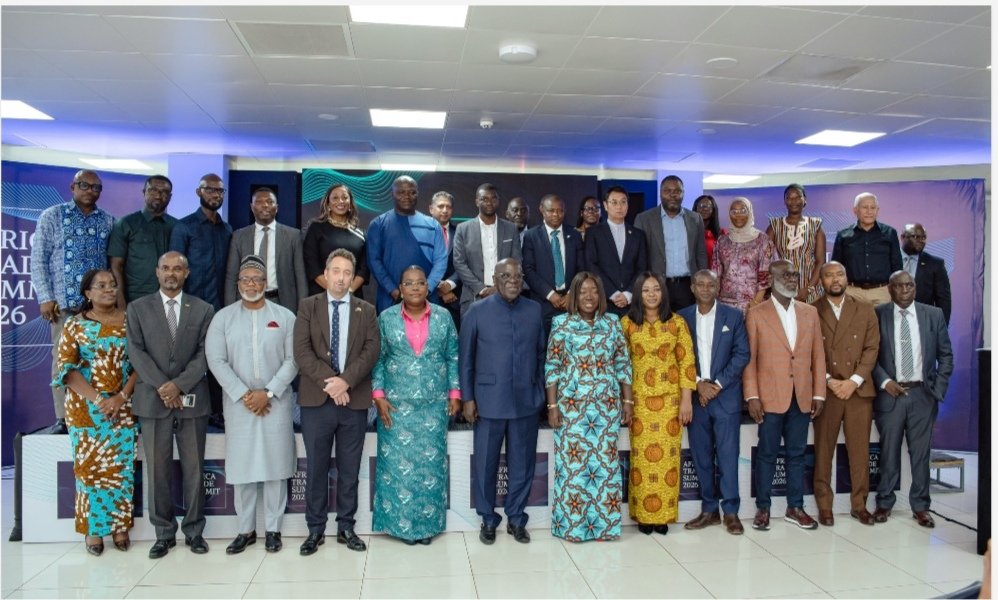
The two-day high-level summit, convened by the African Trade Chamber at the Kempinski Gold Coast City Hotel, brings together Heads of State, ministers, captains of industry, financiers, and development partners from across the continent and beyond.
The Summit is being held under the theme “Financing Africa’s Industrialization: Developing Industrial Value Chains, Beneficiation, and Market Integration.”
Opening the Summit, Benedicta Lasi, Executive Chair of the African Trade Chamber, said Africa’s industrialisation agenda had reached a critical juncture, stressing that the challenge before the continent was no longer one of vision or policy design, but execution.
“The question before us is how we mobilise long-term capital, how we build integrated value chains, how we convert extraction into production, and how we organise our markets to support scale, competitiveness, and resilience,” she said.
She described the Africa Trade Summit as a working platform rather than a ceremonial gathering, designed to confront structural constraints such as fragmented markets, weak production linkages, limited project preparation capacity, and the persistent gap between policy ambition and bankable investment.
She announced the activation of sector-based Industry Councils to drive sustained collaboration, project development, and regulatory and financing alignment beyond the Summit.
In his opening address, Sir Sam Jonah, Chair of the Advisory Board of the African Trade Chamber, said Africa’s industrial challenge was not a lack of resources, but the absence of durable systems that link production, finance, and markets in a coherent manner.
“Industrialisation cannot advance without patient capital, disciplined policy frameworks, and institutions capable of coordinating across sectors and borders,” he said, adding that AfCFTA would not deliver its full promise unless production structures and regional value chains were deliberately strengthened.
Delivering a keynote intervention, H.E. Fatou Haidara, Deputy Director-General of the United Nations Industrial Development Organization (UNIDO), said Africa stood at a turning point as global value chains are reconfigured and demand for strategic minerals, manufactured goods, and green technologies rises.
She stressed that Africa must move decisively away from commodity dependence toward value-added production. “Africa should not continue exporting raw materials.
The future lies in producing competitively, processing locally, and trading regionally,” she said, noting that industrialisation and trade must advance together.
Haidara highlighted project preparation, risk-sharing mechanisms, and long-term partnerships as critical to unlocking capital, while underscoring the importance of including SMEs, youth-led and women-owned enterprises within industrial value chains to ensure resilient and inclusive growth.
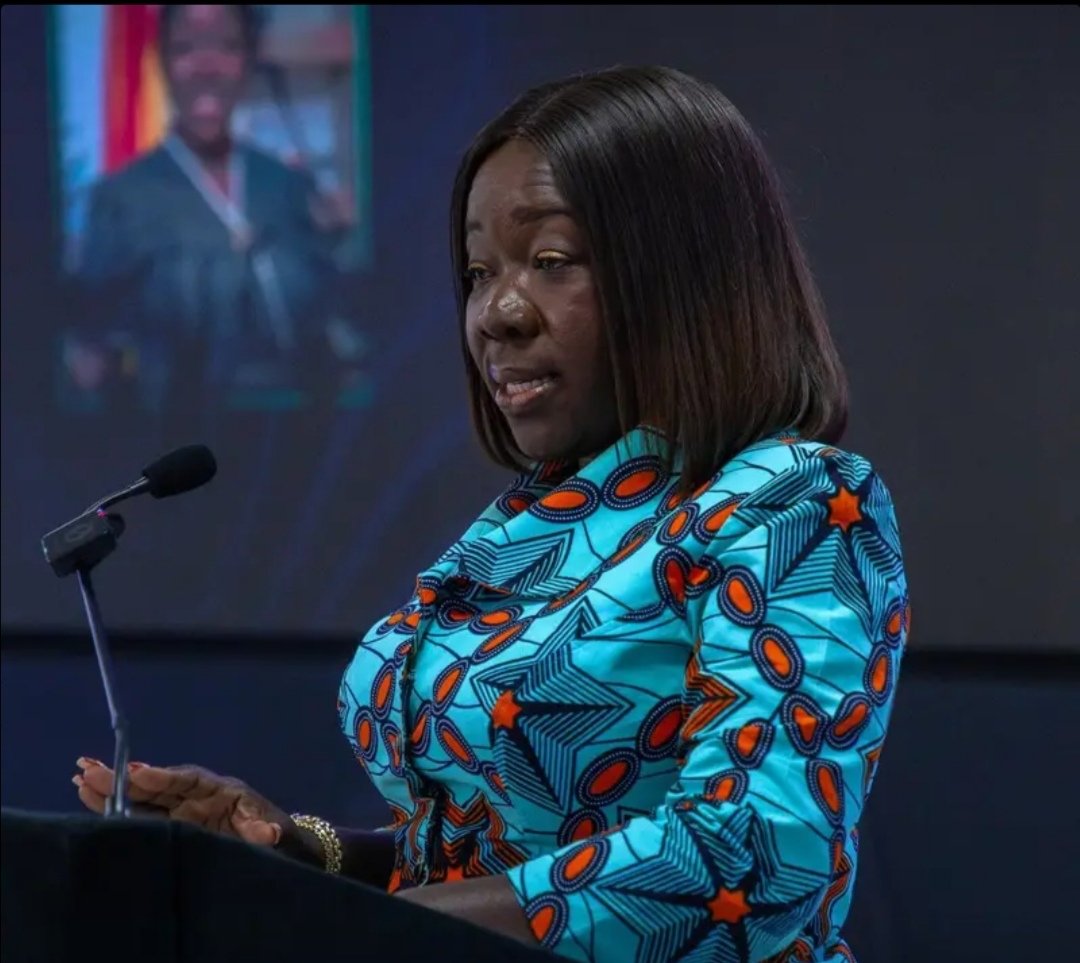
In a special address, Elizabeth Ofosu-Agyare, Ghana’s Minister for Trade, Agribusiness and Industry, said industrial policy had returned forcefully to the global agenda, with advanced economies aggressively financing strategic sectors through blended finance and targeted subsidies.
She said Africa must adopt smart, coordinated, and regionally aligned industrial financing strategies, warning against uncoordinated national subsidies that could undermine competitiveness.
The Minister outlined Ghana’s sector-focused industrial strategy, highlighting progress in textiles and garments, automotive components, and pharmaceuticals, and called for deeper investment in upstream manufacturing capabilities.
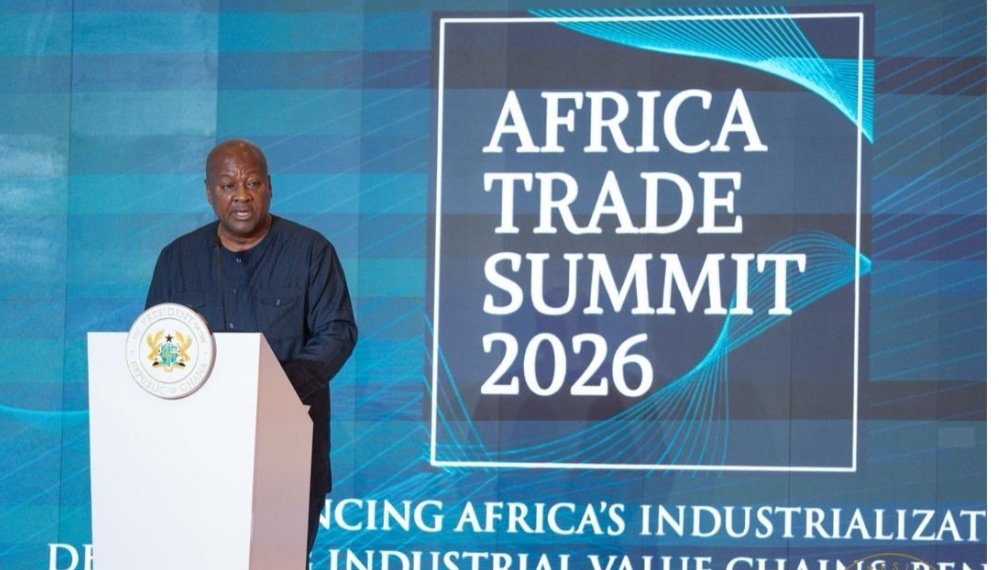
The Summit was officially opened by H.E. President John Dramani Mahama, who said Africa’s defining task was economic independence and warned against continued reliance on a model that exports raw materials and imports finished goods.
“We can no longer accept an economic model that consigns Africa to exporting raw materials and importing finished goods. That model is a new colonial arrangement,” the President said.
President Mahama called for large-scale mobilisation of domestic and institutional capital, stronger public–private partnerships, and reforms to the global financial system to improve Africa’s access to long-term finance.
He stressed that beneficiation, regional value chains, and market integration under AfCFTA must be deliberately linked to industrial policy and infrastructure development.
Source:Joseph Wemakor