HRRG research exposes gaps in early childhood development across 11 West African countries
A new regional research report by Human Rights Reporters Ghana (HRRG) has drawn attention to persistent gaps in early childhood education, child protection, and institutional accountability across 11 selected West African countries, calling for stronger policy interventions to safeguard the rights and developmental opportunities of children aged zero to eight.
The report, titled “Shielding the Foundation: A Rights-Based Comparative Analysis of Early Childhood Education and Development (Ages 0–8) Across Selected West African Countries,” examines the policy environment, legal protections, institutional responsibilities, and available evidence shaping the early years of children’s lives across Benin, Burkina Faso, The Gambia, Ghana, Guinea, Liberia, Mali, Niger, Nigeria, Senegal, and Sierra Leone.
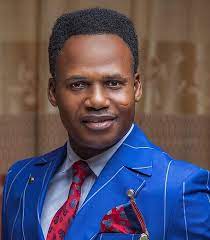
Produced by HRRG under the leadership of its Founder and Executive Director, Dr. Joseph Kobla Wemakor, who served as Principal Investigator and Lead Research Consultant, the study argues that early childhood development must be treated as a fundamental human rights and development priority rather than narrowly approached as an education-sector concern.
It brings together critical dimensions of children’s well-being, including access to early learning, nurturing care, adequate nutrition, responsive caregiving, child protection, disability inclusion, gender-related harmful practices, and institutional accountability.
Beyond classroom education
A central argument advanced by the report is that children’s development during the formative years cannot be secured through classroom education alone.
It emphasises the interconnected importance of health, nutrition, responsive caregiving, safety, protection, and opportunities for early learning in shaping children’s physical, cognitive, emotional, and social development.
Drawing on the World Health Organisation, UNICEF and World Bank’s Nurturing Care Framework, the report highlights the need for governments and relevant institutions to adopt coordinated approaches that address the multiple factors influencing children’s development.
It further examines how weaknesses in social protection, inadequate access to inclusive services, gaps in child protection systems, and uneven policy implementation can undermine children’s developmental opportunities, particularly among vulnerable and disadvantaged populations.
Eleven-country comparative examination
The research provides a comparative documentary and policy analysis of the 11 selected West African countries, examining national policies, legal frameworks, institutional commitments, and published evidence relating to early childhood development.
Its thematic coverage includes early childhood education and organised learning, child labour, child marriage, female genital mutilation, disability inclusion, nurturing care, and the institutional mechanisms responsible for protecting children’s rights.
The report also draws attention to the difficulties associated with comparing national statistics, particularly differences in indicator definitions, data collection periods, age classifications, and geographical coverage.
Rather than presenting the countries as a ranked league table, the study identifies areas of policy concern, evidence gaps, and opportunities for stronger regional learning and cooperation.
Proposed RightsShield Framework
Among the report’s notable contributions is the proposed RightsShield Framework, a conceptual approach designed to support the examination of early childhood rights, institutional responsiveness, and accountability.
The proposed framework seeks to encourage a more integrated understanding of how policies, institutions, and service delivery systems can better protect children and promote their development.
HRRG, however, notes that the framework remains conceptual and requires further technical development, stakeholder consultation, pilot testing and independent validation before it can be adopted as a practical monitoring instrument.
Dr. Wemakor calls for stronger institutional commitment
Dr. Joseph Kobla Wemakor, who led the research, said protecting children during their formative years requires deliberate investment, coordinated institutional action, and a stronger commitment to translating policy promises into tangible outcomes.
He stressed that the protection and development of children should not be left solely to parents, caregivers, or educational institutions but must involve governments, healthcare providers, social protection agencies, civil society organisations, development partners, and communities.
The report consequently recommends stronger investment in inclusive early childhood services, improved coordination among child-focused institutions, reinforced child protection systems, better availability of reliable age-disaggregated data, and more effective accountability mechanisms.
It also calls for greater attention to children with disabilities and those living in vulnerable circumstances, who may encounter additional barriers to accessing quality early learning, protection, and essential developmental services.
A call for policy action across West Africa
HRRG believes the report offers an opportunity for policymakers, researchers, civil society organisations and development partners to strengthen the regional conversation around early childhood development and the protection of children’s rights.
The organisation is urging governments and relevant stakeholders to examine the evidence and policy concerns presented in the publication and translate its recommendations into practical interventions that respond to the needs of children.
It maintains that the quality of a society’s investment in its youngest population has far-reaching implications for human development, social justice, educational outcomes, and sustainable development.
The report was developed through documentary and policy analysis, drawing on published secondary evidence, official statistics, legal instruments, government policies, and institutional research. It does not claim to be based on original household surveys, interviews, focus group discussions, or primary field investigations.
Published on November 16, 2026, by Human Rights Reporters Ghana, the 23-page report is available through the Zenodo research repository.
Read the full research report:
https://zenodo.org/records/24270448
About Human Rights Reporters Ghana
Human Rights Reporters Ghana (HRRG) is a dynamic Ghanaian human rights and media advocacy civil society organisation working to advance human dignity, social justice, democratic accountability, and inclusive development through advocacy, journalism, research, documentation, public education, and community engagement.
Its work covers child protection, women’s rights, gender justice, civic freedoms, environmental and climate justice, safe migration, access to justice, and sustainable development.