African states urged to ratify human rights treaties at high-level ACHPR meeting in Accra
Accra, Ghana – September 27, 2025 —The African Commission on Human and Peoples’ Rights (ACHPR) has called on African Union (AU) member states to urgently ratify and implement all African human rights treaties, warning that slow action continues to hinder the protection of vulnerable populations across the continent.
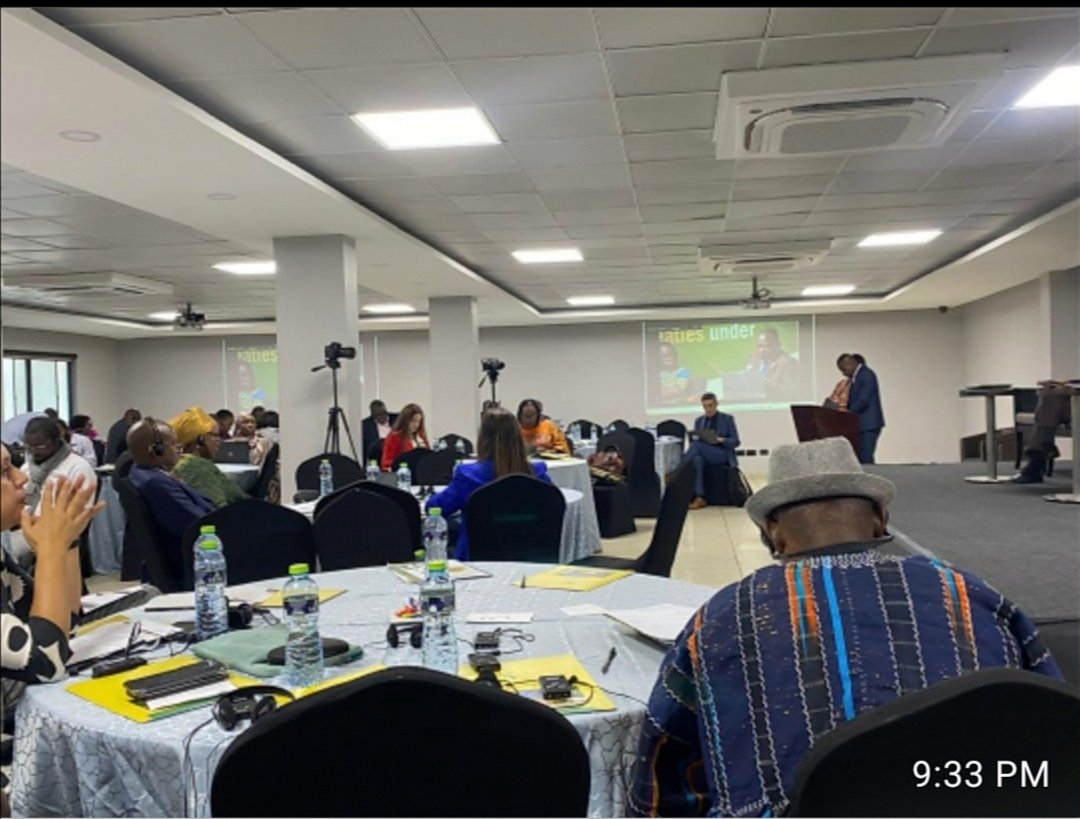
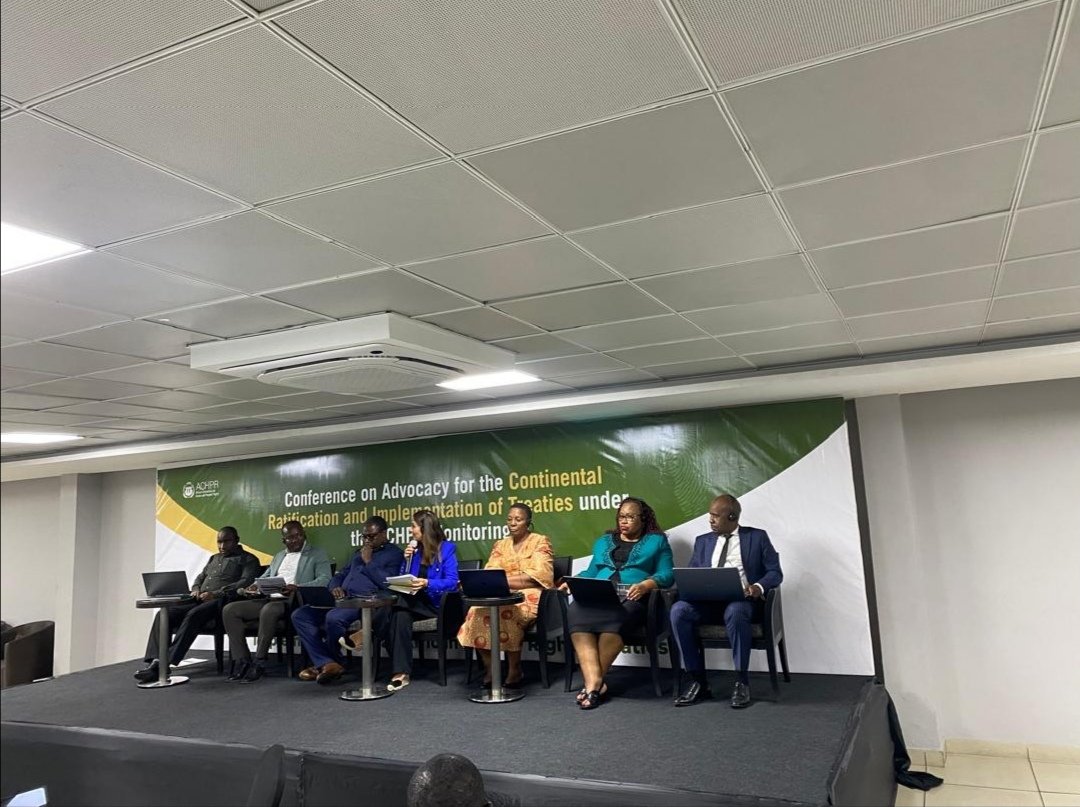
The call was made today at the opening of a high-level continental advocacy meeting in Accra, Ghana, convened by the ACHPR under the theme: “Towards Achieving the Universal Ratification and Effective Implementation of all African Human Rights Treaties.”
The two-day event, running from September 27 to 28, has brought together AU institutions, national government representatives, civil society organisations, regional bodies, and human rights experts from across the continent.
Speaking at the opening ceremony, ACHPR Vice Chairperson and Special Rapporteur on the Rights of Women in Africa, Hon. Commissioner Janet Sallah-Njie, underscored the urgency of the moment, noting that while the continent has developed comprehensive legal instruments to promote and protect human rights, many remain either unratified or not effectively implemented.
“The African Charter on Human and Peoples’ Rights is not merely a legal document. It is a declaration that the dignity of the African people is non-negotiable,” she said.
“Yet despite this, we continue to face a continental paradox—possessing the tools for transformation, yet hesitating to fully build with them.”
Commissioner Sallah-Njie emphasized that the lack of ratification and implementation of key treaties is directly affecting the lives of millions, particularly women, children, persons with disabilities, older persons, and stateless individuals.
She said the process of ratification must be viewed not as the end goal, but the beginning of a comprehensive journey that includes domestication, enforcement, and consistent monitoring.
She also described the choice of Ghana as the host country as symbolic, referring to the legacy of Dr. Kwame Nkrumah, one of the founding architects of African unity.
“We cannot afford to have blueprints without buildings,” she stated. “This conference must be more than a dialogue. It must be a strategic turning point.”
Representing Ghana’s Attorney General and Minister for Justice, Dr. Dominic Akuritinga Ayine, was Dr. Sylvia Adusu, who welcomed delegates and reiterated Ghana’s support for the objectives of the meeting.
She noted that Ghana has a long-standing record of ratifying and domesticating major international and continental human rights treaties, but acknowledged that challenges remain.
“To attain continental ratification and effective implementation of these treaties, there must be committed leadership at the highest levels of government,” Dr. Adusu said.
“Ratification is not merely a formality—it is a reflection of a country’s values, its vision, and its dedication to its people.”
Dr. Adusu also highlighted the upcoming ACHPR promotional mission to Ghana as a timely opportunity for constructive dialogue on the country’s treaty obligations and ways to strengthen human rights protection domestically.
Over the course of the conference, participants will review the status of AU human rights instruments, identify barriers to ratification, and exchange best practices.
One of the expected outcomes is the adoption of a “Common Declaration” in which participating states will pledge to accelerate the ratification and implementation of key treaties under ACHPR’s monitoring mandate.
The ACHPR, established in 1987, is tasked with promoting and protecting human rights across AU member states. Its functions include monitoring treaty compliance, reviewing periodic state reports, adjudicating individual complaints, and conducting country visits to engage governments and assess implementation.
Commissioner Sallah-Njie said the Commission’s role is not punitive, but rather focused on constructive engagement, technical support, and capacity building to help states meet their obligations.
“Ratification must move from paper to practice,” she said. “The treaties we discuss today must be woven into the fabric of national policies, legislation, and enforcement mechanisms—where they can fully transform lives.”
Source:Joseph Wemakor