
Kenya is teaching Akufo Addo a lesson on how to veto a Bill- Srem Sai
The recent decision by Kenya’s President William Ruto to reject the Financial Bill 2024 with his veto power is a great lesson to Ghana’s President Akufo Addo, a constitutional lawyer Justice Srem Sai has said.
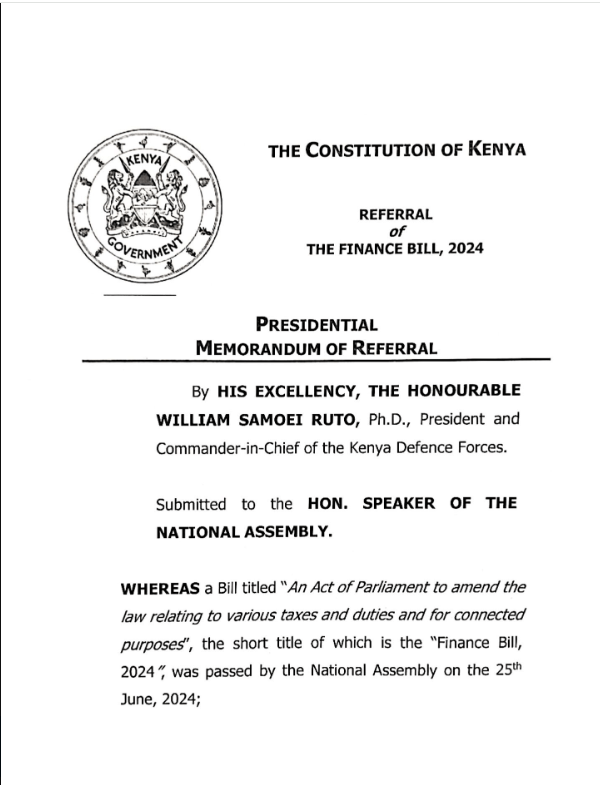
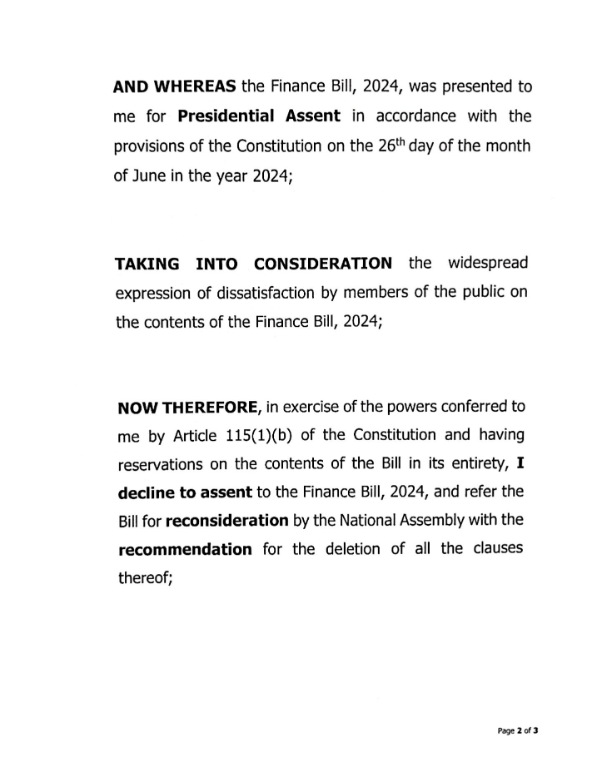
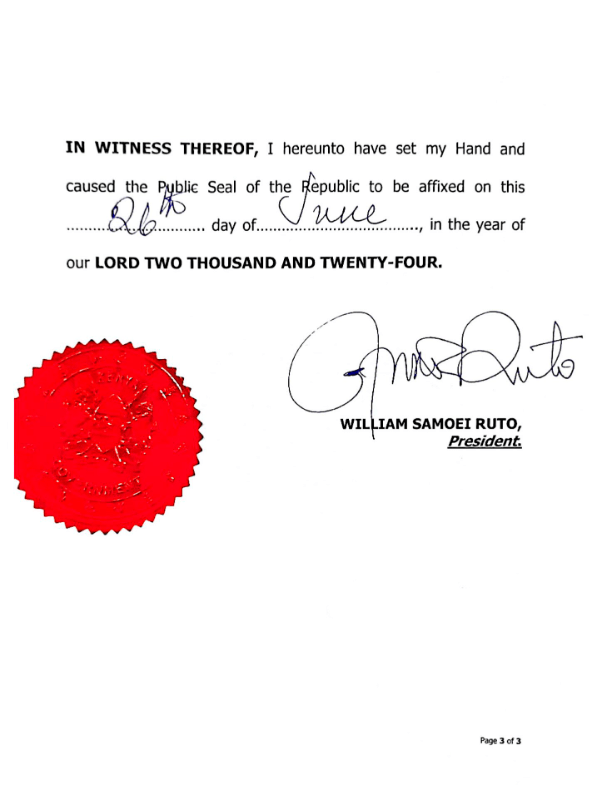
According to Justice Srem-Sai, “Kenya is teaching our President something very basic once again – the proper way to veto a bill. Rule of law. Ruto could have questioned the quorum and other internal parliamentary procedural matters which went into passing the bill… He could have, nicodemusly, caused a writ to be issued in the Supreme Court, got an injunction, and ‘waited’ FOREVER for the Court’s opinion on the validity of the bill. He could have taken to his heels to evade service of the bill from Parliament altogether; and, on top of that, caused his Attorney-General to write a long letter to threaten Parliament to desist from further service attempts. But he’s no drama king. So, what did he do? He simply complied with the supreme law of Kenya by: (1) accepting service of the bill, (2) indicating clearly that he has refused to assent to it, (3) stating the clauses that he objects to – ‘all the clauses’, (4) giving reasons for his objection – ‘widespread expression of dissatisfaction by members of the public’, and (5) doing all this with the constitutionally stipulated timelines. Simple. No writs. No legal arguments on TV or radio. No name-calling. Three pages – one, two, three pages. See, it is not always the Constitution o. Sometime, it is the human being who operates the Constitution. Democracy can be less stressful.”
President Ruto had announced on television that he would not sign the Financial Bill 2024 after days of protests that have claimed over 22 lives so far.
Also read;Government of Kenya withdraws tax plan after deadly protest
In his address, he explained why the government had to introduce the taxes at this time, saying the country needed it for priority areas such as education, health insurance, and fertilizer subsidies.
“It has become evident that members of the public still insist on the need for us to make more concessions, and because I run a government, but I also lead people, and the people have spoken…. having reflected on the Financial Bill 2024 and listening keenly to the people of Kenya, I concede and therefore will not sign the Finance Bill 2024 and it shall be withdrawn…and that becomes our collective position,” he said.
What stands out in President Ruto’s approach is his compliance with the constitutional requirements for vetoing a bill. Unlike some leaders who might opt for more dramatic measures such as seeking an injunction or threatening Parliament, President Ruto simply accepted service of the bill, indicated his refusal to assent, stated the clauses he objected to, and gave reasons for his objection.
This straightforward approach is in contrast to some leaders who might resort to drama and legal theatrics. As Justice Srem-Sai notes, “It is not always the Constitution that operates. Sometimes it is the human being who operates the Constitution.
Here is the document about the president decision to decline the Financial Bill ;
Kindly share our story on; Kenya is teaching Akufo Addo how to veto a Bill- Srem Sai
For more stories; click Here.


![Western Togoland Stunning pictures emerging [IMAGES]](https://newsghana24.com/wp-content/themes/hueman/assets/front/img/thumb-medium-empty.png)