Those are other potential sources of information beside people-finder sites. You may have shared your hobbies on social media or created a public wish list on a shopping site. Businesses of all kinds — even brick-and-mortar stores — sell mailing lists of their customers to others, too. Sometimes it’s easy to figure out whom, especially when the original misspelled your name and that misspelling starts popping up on junk mail.
ALSO READ: The next Phase of Internet is Coming: WEB3
If you’ve made a donation to one charity you might start receiving emails or letters from lots of other charities in the same space. Charities make additional money from selling their mailing lists to other charities. If you fill out a survey to enter a sweepstake, that could land you on another mailing list.
Some of this information may seem mundane, depending on your personal definition, but an unscrupulous person can use details that may seem trivial to you to put together a profile that they could use to commit fraud by catfishing. The person may seem to know details that only someone close to you could know, and that’s how they get you to trust them.
Catfishing is a concern, but on a day-to-day basis, it’s much more likely that someone is learning as much as they can about you to sell you something. We’re all becoming increasingly aware that websites track our online movements with cookies so that they can target us with advertising. The same thing happens with mobile apps for social networks. You probably gave them permission to do that when you accepted the terms and conditions of the service. You did read those terms before you clicked the Accept button, right?
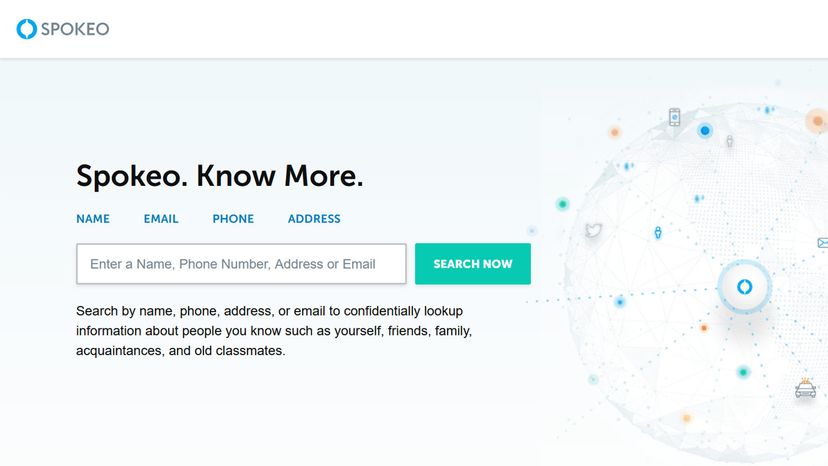
You’re likely to see sites that offer to provide directory information about you, under the guise of white pages or people finders or background checkers or market research services, and then make your information available online.
The simplest way to find out what’s out there about you is to do searches for your name, email addresses and other identifying information. You can start with a search engine such as Google, but you’re likely to get an overwhelming amount of information unconnected to you — or about people who share your name or screenname. A search engine can be useful to see the top hits that your contact information yields, just to check on your online reputation. But searching the data collection sites will likely prove far more fruitful — and perhaps frightening.