Stakeholders Demand Stronger Laws to Advance Rights of Women with Disabilities in Ghana
Stakeholders at a high-level panel discussion held during the Learn and Share Festival of the Women with Disability Development & Advocacy Organization (WODAO) have called for stronger legal enforcement, inclusive systems, and sustained collaboration to advance the rights and participation of women with disabilities in Ghana.
The panel formed part of activities marking the close of a two-year European Union-funded project titled “Strengthening Civil Society Representation of Women with Disabilities in Ghana,” held on Tuesday, March 31, 2026, at the GNAT Conference Hall in Ho.
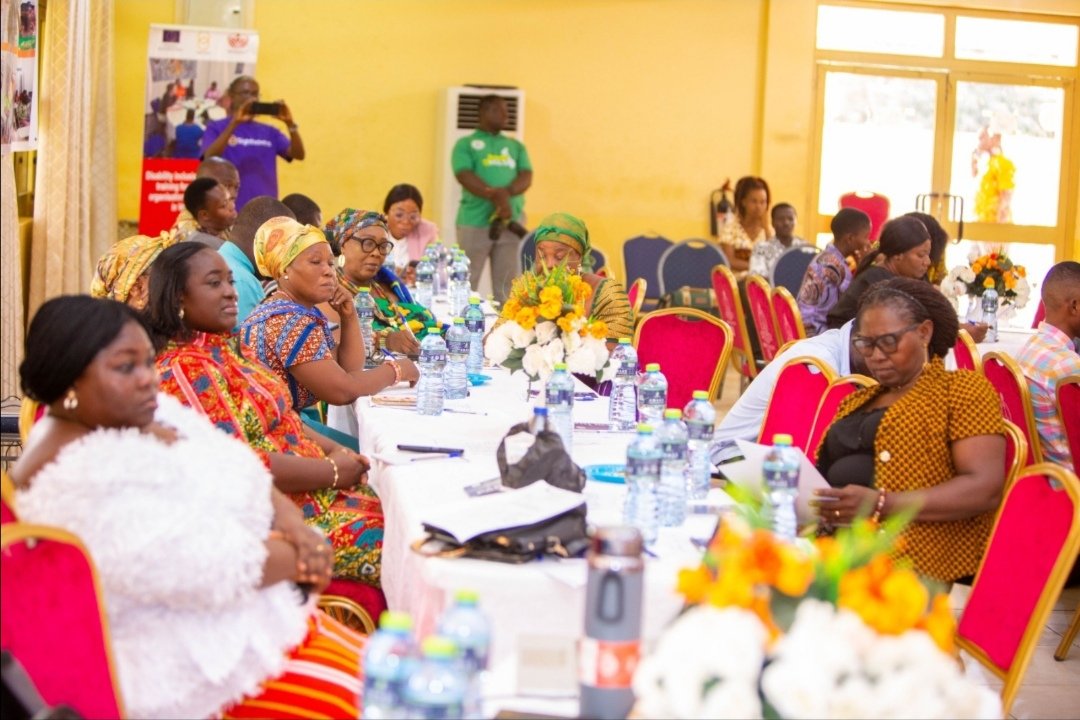
The discussion brought together key actors from government, civil society, and disability advocacy groups, who assessed progress made, highlighted persistent challenges, and proposed practical solutions to deepen inclusion.
Mrs. Thywill Eyra Kpe, Volta Regional Director of the Department of Gender under the Ministry of Gender, Children and Social Protection, underscored that disability inclusion in Ghana is fundamentally a human rights issue anchored in Article 29 of the 1992 Constitution.
She noted that Ghana had made notable progress in establishing a legal and policy framework to protect persons with disabilities, including provisions on accessibility, protection from discrimination, and incentives for employment.
“Disability rights are not a matter of charity or privilege; they are constitutional rights,” she said, adding that while progress had been made, gaps remained in implementation, particularly in translating laws into practical outcomes.
Madam Stella Mawusi Agbezuhlor Mawutor, Volta Regional Director of the Department of Social Welfare, highlighted the growing role of civil society and private sector actors in advancing disability inclusion.
She explained that increased awareness and advocacy had led to improvements in accessibility, with more institutions incorporating ramps and inclusive infrastructure in their designs.
“Even though we are not where we want to be, we are making progress. Awareness is growing, and citizens now have the power to demand accountability where standards are not met,” she stated.
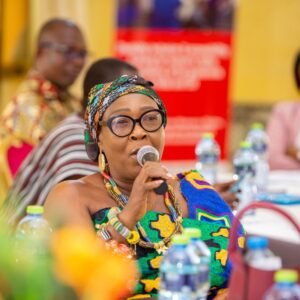
From the perspective of persons with disabilities, Ms. Elikplim Klu, Volta Regional President of the Ghana Federation of Disability Organizations (GFD), emphasized that inclusion must be treated as a right, not a favour.
She highlighted the “double discrimination” faced by women with disabilities—first as women and secondly as persons with disabilities—calling for deliberate efforts to dismantle systemic barriers.
“Women with disabilities face double barriers. Inclusion is not charity; it is our right. Given the opportunity, we can lead and contribute meaningfully to national development,” she stressed.
Ms. Klu further identified key barriers including negative societal attitudes, limited access to leadership opportunities, inaccessible infrastructure, and economic marginalization.
She stressed that many public and decision-making spaces remain physically inaccessible, while stigma and stereotypes continue to limit opportunities for women with disabilities.
Princess Lovia Tetteh, Executive Director of LoveAid Foundation, highlighted the critical role of civil society in driving inclusive development.
She noted that sustained advocacy efforts had contributed to increasing the allocation of the District Assembly Common Fund for persons with disabilities from three to five per cent.
She emphasized the need for inclusive programme design through needs assessments and active participation of persons with disabilities.
“When persons with disabilities are involved in shaping policies and programmes, the outcomes become more effective and sustainable,” she said.
She further called for stronger partnerships between civil society and state institutions, as well as deliberate efforts to include women with disabilities in governance and decision-making processes.
Panelists also stressed the importance of improved data collection on disability, targeted capacity-building initiatives, and deliberate efforts to identify and position qualified women with disabilities in leadership roles.
They urged stakeholders to pay particular attention to rural communities, where cultural stigma and limited access to services continue to deepen inequalities.
A key highlight of the session was the sharing of lived experiences by beneficiaries, which provided compelling evidence of the project’s impact.
Miss Juliana Ntenye, a member of the Lakeside Disability Initiative Organization, described how the initiative had enhanced her confidence, advocacy skills, and understanding of safeguarding and intersectionality.
“This programme has transformed my life. I have moved from being shy to actively engaging communities and advocating for the rights of women with disabilities,” she said.
She explained that through mentorship and training, she had undertaken advocacy activities in churches and communities, contributing to changing perceptions about disability.
Other beneficiaries, including Madam Sherita Kudoda of the Lorlornyo Women with Disability Group and Mr. Moses Foli of the United Cross Disability Group, also shared testimonies highlighting increased awareness, empowerment, and community-level transformation.
They noted that mentorship, training, and advocacy initiatives under the project had enabled persons with disabilities to better understand their rights and actively participate in community development processes.
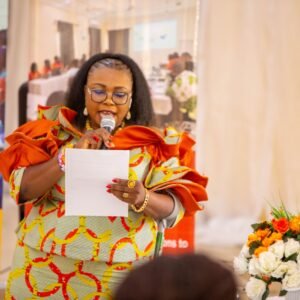
Moderating the session, Ms. Veronica Denyo Kofiedu, Executive Director of WODAO, called for urgent action to strengthen the legal framework governing disability rights in Ghana.
She stressed the need for the passage of the Legislative Instrument to operationalize the Persons with Disabilities Act.
“We need the Legislative Instrument for the Disability Bill to be passed alongside the law to make it fully effective,” she stated.
Participants reaffirmed their commitment to sustaining the gains made under the project and strengthening partnerships to promote inclusive development across Ghana.
They emphasized that inclusive development requires continuous commitment, deliberate policies, and the active involvement of persons with disabilities in decision-making at all levels.
Source: Joseph Kobla Wemakor